
Understanding the Needs for Cages For Animal Professionals
In the animal care industry, the significance of secure and comfortable cages cannot be overstated. Professionals who work with pets, whether in veterinary clinics, grooming salons, or rescue organizations, require reliable enclosures that prioritize the safety and comfort of the animals. This demand necessitates a comprehensive understanding of the various types of cages available, as well as the specific needs of different animals. For those seeking high-quality solutions, Cages For Animal Professionals provides a robust selection tailored to meet these unique requirements.
Importance of Secure Enclosures
Secure enclosures play a crucial role in animal care settings, offering a safe haven for pets during their stay in facilities. A well-constructed cage ensures that animals do not escape or come into harm's way, which is paramount for both their safety and the peace of mind of their caretakers. Moreover, secure enclosures promote a stress-free environment, essential for animals recovering from surgery or adjusting to new surroundings.
Types of Cages Available
The variety of cages on the market today reflects the diverse needs of animal professionals. Common types include:
- Veterinary Cages: Designed for clinics, these cages provide a safe space for recovering pets, ensuring hygiene and ease of monitoring.
- Boarding Cages: Ideal for pets that are boarding, these units are typically larger and designed for comfort during longer stays.
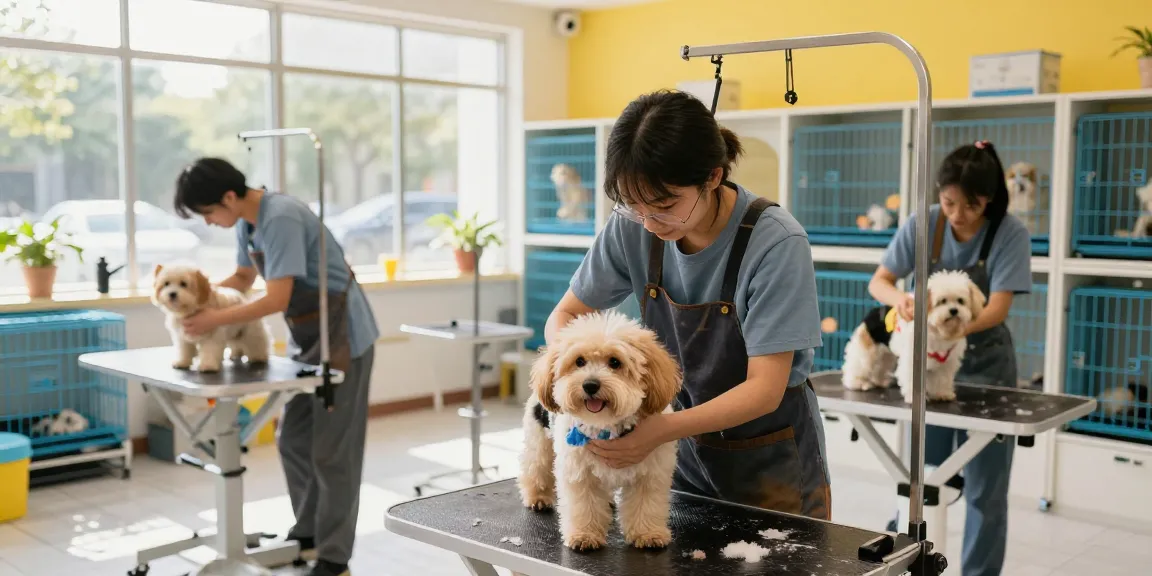
- Grooming Cages: Used in salons, these cages are often equipped with features that help keep pets calm during the grooming process.
- Exotic Animal Cages: Specialized cages for birds, reptiles, or small mammals cater to the unique needs of these species.
Common Misconceptions about Caging
There are several misconceptions surrounding the use of cages in animal care. One prevalent belief is that cages are inherently cruel. However, when designed and used appropriately, cages can provide a secure and comfortable environment for pets. Another misconception is that all cages are created equal; this is far from the truth as the quality and design of cages can vary significantly, impacting the welfare of the animals.
Choosing the Right Cages for Specific Animals
Dog Cages vs. Cat Cages
When considering cages, it's essential to understand the differences between those designed for dogs and those for cats. Dog cages often have stronger construction and may include additional features such as double doors for easier access. In contrast, cat cages typically focus on vertical space and offer higher perches for climbing, reflecting the natural behaviors of felines.
Specialty Cages for Exotic Animals
Exotic animals have unique requirements that necessitate specialized cages. For example, reptile enclosures need to maintain specific temperature and humidity levels, while aviaries must provide ample space for flight and perches for resting. It’s crucial for professionals to choose cages that cater to the specific behaviors and needs of these animals.
Customizable Solutions for Unique Spaces
Every animal care facility has its spatial constraints and operational requirements. Customizable cage solutions allow professionals to maximize their space while tailoring the enclosure to fit their workflow. Modular cage systems, for example, can be arranged in various configurations, adapting to the changing needs of the facility.
Best Practices in Cage Maintenance and Safety
Regular Cleaning Protocols
Maintaining a clean environment is vital to prevent the spread of diseases and ensure the well-being of animals. Establishing rigorous cleaning protocols involves:
- Daily cleaning of cages with appropriate disinfectants.
- Regular inspections to identify wear and tear.
- Immediate removal of waste to maintain hygiene.
Ensuring Animal Comfort and Safety
It's essential to consider both comfort and safety when maintaining cages. Providing adequate bedding, ensuring proper ventilation, and observing temperature levels contribute to the overall well-being of the animals. Additionally, regular assessments of the cage's condition can prevent accidents, keeping animals safe at all times.
Monitoring Animal Behavior in Cages
Understanding animal behavior is crucial in assessing their well-being within cages. Observation allows professionals to identify signs of stress or discomfort, prompting necessary adjustments in care or environment. This vigilance helps create a nurturing atmosphere conducive to healing and comfort.
Trends and Innovations in Animal Cage Design for 2026
Materials and Durability Advancements
Recent innovations in cage materials have led to stronger and more durable options that stand up to wear and tear while being easier to clean. Materials like stainless steel and high-density plastics are becoming increasingly popular due to their resistance to rust and corrosion, ensuring longevity in demanding environments.
Smart Cages with Technology Integration
Technology is starting to play a role in modern cage design. Smart cages equipped with monitoring systems can track the health and behavior of animals, providing valuable data that can enhance care. Features such as automated feeders and environmental controls are also being integrated to improve animal welfare.
Environmentally Friendly Cage Options
With a growing emphasis on sustainability, many manufacturers are now offering environmentally friendly cage options. These cages are constructed from recycled materials and designed for energy efficiency, reflecting a commitment to ecological responsibility in the pet care industry.
Building a Relationship with Your Cage Supplier
Why Partner with Reputable Brands
Choosing to work with reputable manufacturers like Clark Cages ensures that you receive high-quality products designed with the safety and comfort of animals in mind. Established brands often provide extensive warranties and customer support, giving peace of mind to animal professionals.
Evaluating Customer Service and Support
Good customer service is pivotal in the purchasing process. Evaluate your suppliers based on their responsiveness and willingness to address your inquiries. A supplier that values customer relationships is more likely to be a reliable partner in your ongoing needs.
Case Studies of Successful Partnerships
Many animal care facilities have benefited from establishing long-term relationships with their suppliers. For instance, a veterinary clinic that partnered with a reputable brand was able to transition to a more efficient cage system, dramatically improving workflow and patient care. Such case studies highlight the importance of building strong partnerships in the industry.
What are the key benefits of using professional cages for animal care?
Professional cages offer enhanced safety, comfort, and hygiene for animals, which is essential for their well-being. They are designed specifically to meet the unique needs of different species, ensuring that each animal is housed appropriately.
How can I choose the right cage for my specific needs?
Assess your facility's space, the type of animals you care for, and their individual needs when selecting a cage. Consider factors such as size, material, and design features that will provide comfort and safety.
What maintenance practices are essential for keeping cages in top shape?
Regular cleaning, inspection for damages, and ensuring proper ventilation are essential maintenance practices. Establishing a consistent cleaning protocol can help prevent health issues and keep cages safe for animals.
What trends are emerging in cage design for 2026?
Innovations such as smart cages, environmentally friendly materials, and advanced durability features are becoming increasingly significant in cage design, reflecting a commitment to animal welfare and operational efficiency.
How can I build a lasting relationship with suppliers of animal cages?
Maintain open communication with suppliers, provide feedback on products, and engage in discussions about your evolving needs. Building rapport can lead to better support and solutions tailored to your facility.